Insight
Managing IT Operations Through AI in Road Infrastructure
Published on March 28, 2026
As urbanization accelerates and mobility demands continue to grow, road authorities must manage expanding infrastructure networks with greater efficiency, transparency, and accountability. Traditional road infrastructure systems often rely on manual verification processes, reactive maintenance cycles, and fragmented reporting mechanisms. These limitations not only increase operational costs but also restrict the ability to plan long-term infrastructure improvements effectively.
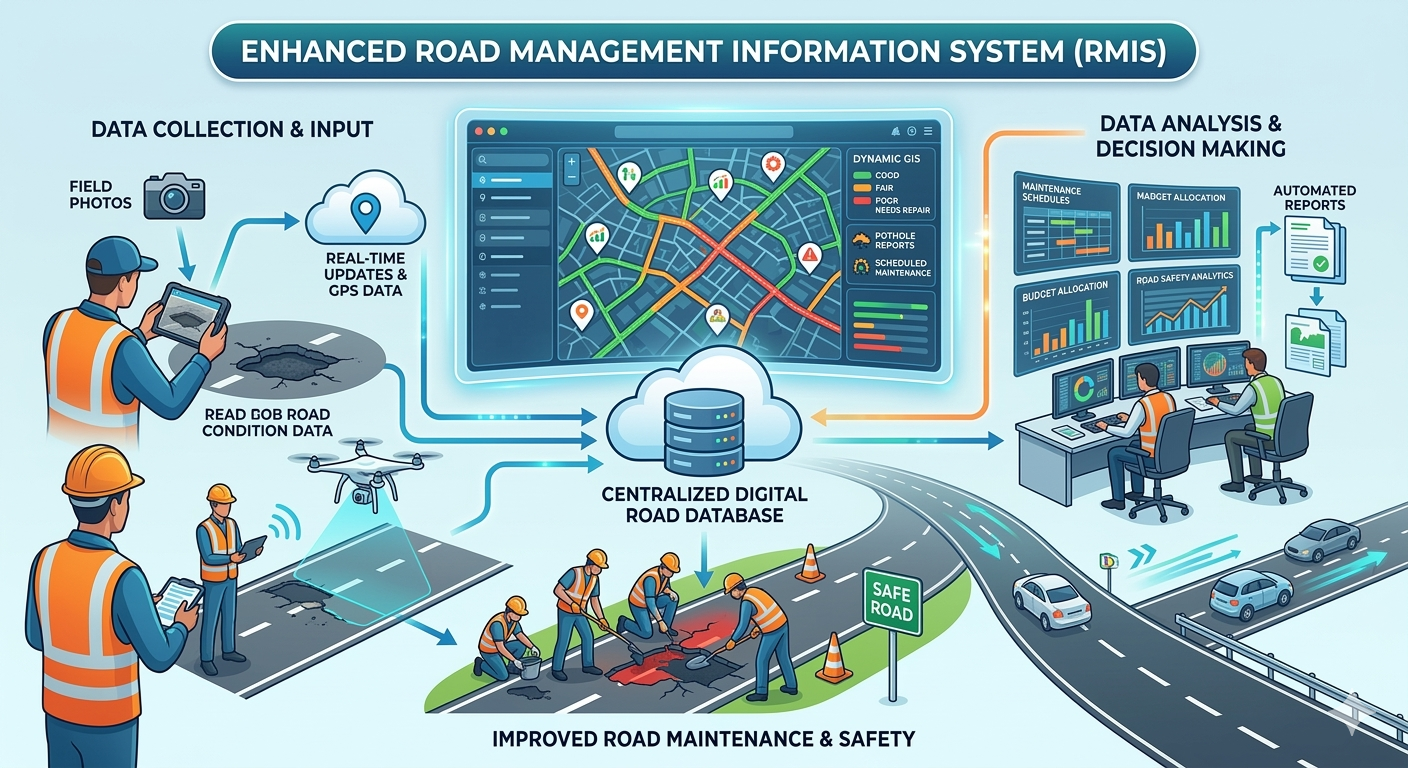
To address these challenges, modern road management systems are increasingly integrating Artificial Intelligence (AI) into IT operations. AI-driven platforms enable authorities to process large volumes of infrastructure data, automate validation processes, and gain predictive insights into asset performance. One such solution is RoadAthena, an advanced Road Asset Management System (RAMS) that combines GIS intelligence, computer vision, predictive analytics, and intelligent dashboards to transform infrastructure monitoring into a proactive and data-driven ecosystem.
AI-Driven Data Intelligence for Road Asset Management
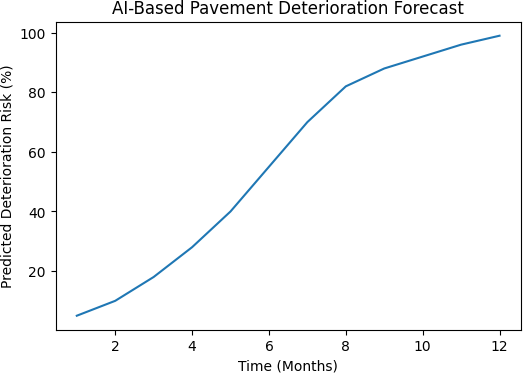
Large-scale road infrastructure projects generate extensive datasets, including GIS centerlines, GPX survey tracks, high-resolution video recordings, asset inventories, pavement condition parameters, and ward-wise infrastructure reports. Managing and validating such volumes of structured and unstructured data requires robust automation and intelligent processing capabilities.
Predictive Maintenance and Proactive Infrastructure Planning
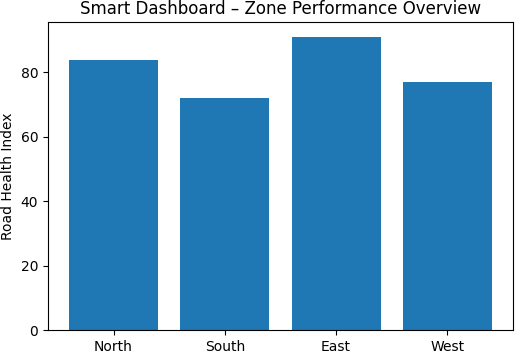
Predictive analytics plays a critical role in modern road asset management. Instead of relying solely on reactive maintenance after visible damage occurs, AI systems analyze historical infrastructure data to forecast potential deterioration risks.