Insight
Enhancing Road Management Information Systems
Published on April 25, 2026
Roads form the backbone of a country’s infrastructure, connecting cities, towns, and rural areas while supporting economic growth and daily mobility. To maintain these networks effectively, governments rely on structured planning and accurate data. This is where a Road Management Information System (RMIS) becomes essential. An RMIS is a digital platform designed to collect, store, and manage road-related information in a centralized manner. By enhancing these systems with modern technologies, authorities can improve monitoring, streamline maintenance processes, and make faster, data-driven decisions for better road management.
Importance and Benefits of Enhancing RMIS
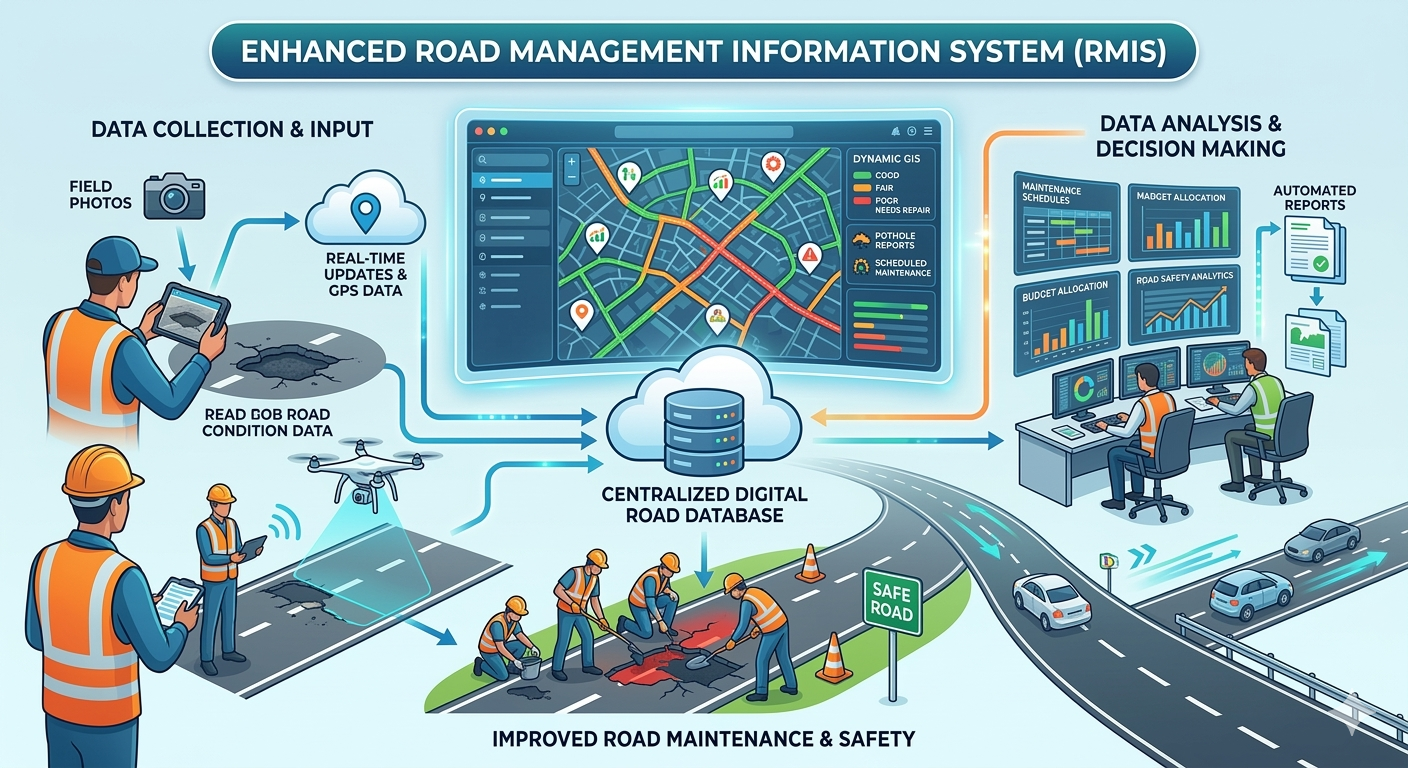
Traditional road management systems often depend on manual records or outdated tools, which can slow down operations and lead to inefficiencies. Enhancing RMIS with digital solutions helps overcome these limitations by improving data accessibility and accuracy. A centralized database allows teams to easily store, update, and share information, reducing errors and improving coordination. With better data insights, authorities can identify damaged roads quickly and prioritize maintenance tasks effectively. This leads to more efficient use of resources, reducing unnecessary costs and ensuring timely repairs. Additionally, regular monitoring helps detect issues such as potholes or damaged signage early, improving overall road safety and minimizing accident risks.
Key Features of a Modern RMIS
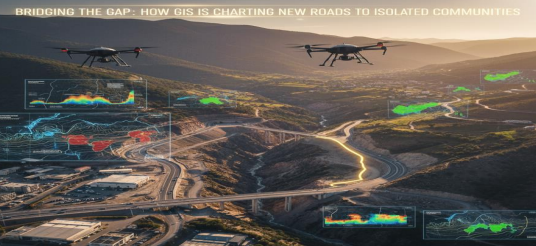
An enhanced RMIS includes several advanced features that make road management more efficient and reliable. A digital road database ensures all information is stored in a structured and easily accessible format. Integration with Geographic Information Systems (GIS) allows authorities to visualize road networks on maps and identify problem areas quickly. Real-time data collection using mobile devices and GPS technology ensures that information from the field is instantly updated in the system. Furthermore, automated reporting features generate insights on road conditions, maintenance needs, and budget planning without manual effort. Together, these capabilities make RMIS a powerful tool for modern infrastructure management.