Insight
Fusion of AI and UI/UX Design: A New Era of Digital Experiences
Published on April 25, 2026
Artificial Intelligence is rapidly reshaping UI/UX design, changing how users interact with digital products. In the past, designers relied heavily on intuition, research, and repeated testing to create effective user experiences. While these methods are still important, AI now plays a strong supporting role by providing data-driven insights. It helps designers understand user behavior more deeply, identify patterns, and predict user needs with greater accuracy. As a result, modern interfaces are becoming more dynamic and responsive. Instead of offering the same experience to every user, applications can now adapt in real time, making interactions smoother, faster, and more intuitive.
AI-Powered Design and Workflow Efficiency
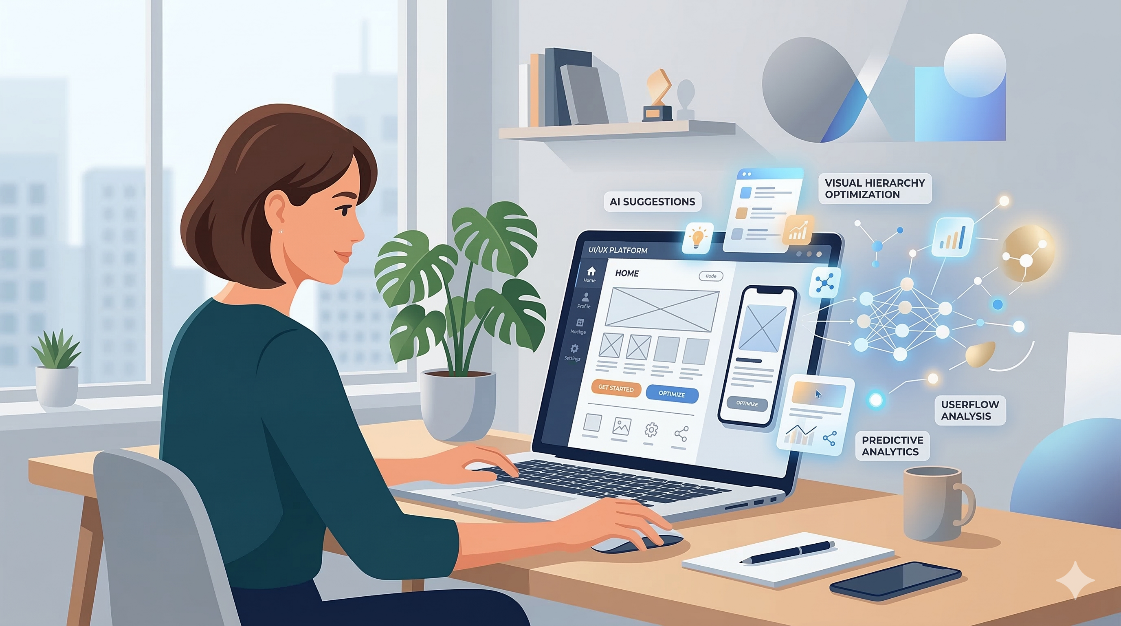
AI has become an essential part of the design workflow, improving both speed and efficiency. Designers can now use AI-powered tools to generate wireframes, suggest layouts, and recommend design improvements based on real user data. This reduces the time spent on repetitive tasks and allows designers to focus more on creativity and problem-solving. AI can analyze large volumes of data quickly, identifying usability issues and highlighting areas that need improvement. It also helps in making better design decisions by providing evidence-based suggestions rather than relying only on assumptions. Overall, AI streamlines the entire design process, leading to faster iterations and more refined user interfaces.
Personalization and the Future of User Experience
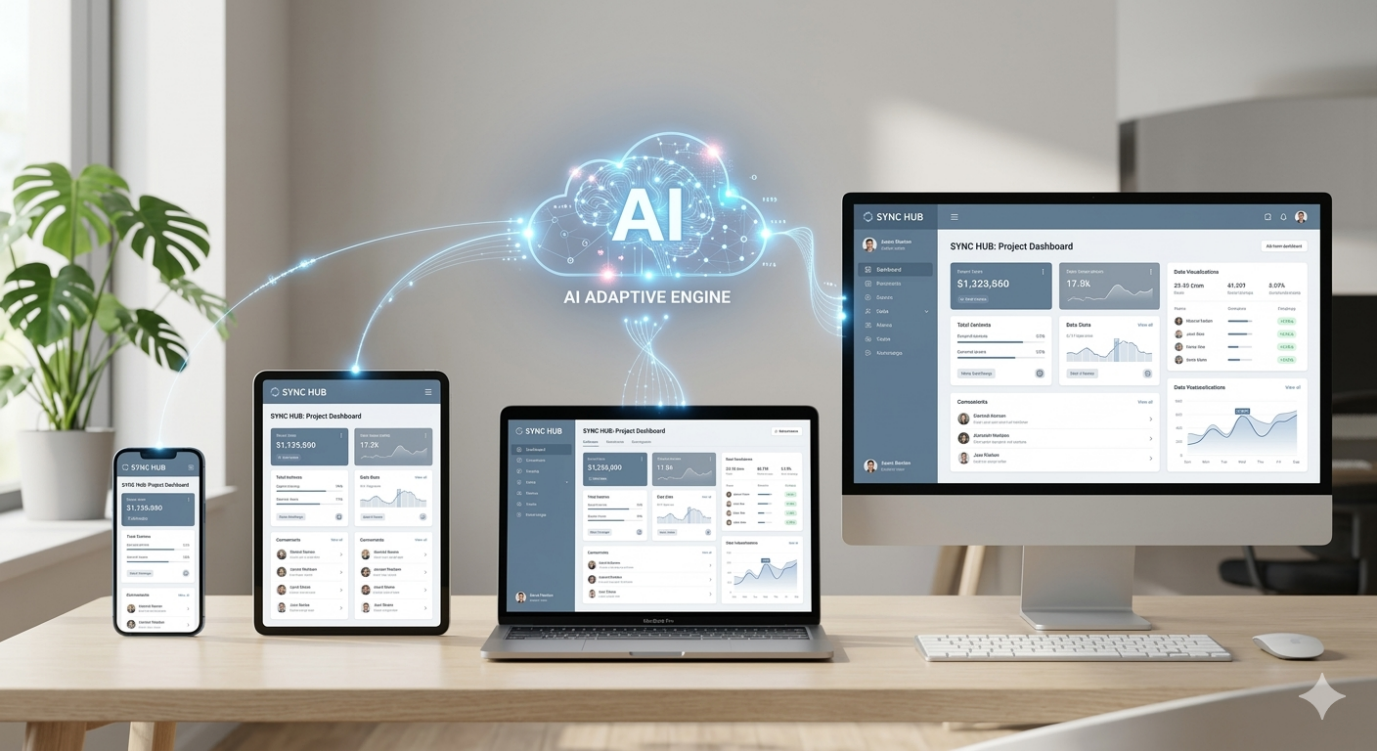
One of the most significant benefits of AI in UI/UX design is personalization. AI systems learn from user interactions and tailor experiences based on individual preferences and behavior. This includes recommending relevant content, adjusting interface elements, and improving navigation for each user. Such personalized experiences increase user engagement and make digital products easier to use. Looking ahead, AI will continue to advance with technologies like voice interfaces, conversational UI, and real-time adaptive systems. However, the future of design will depend on balancing AI capabilities with human-centered thinking, ensuring that experiences remain simple, meaningful, and accessible to all users.