Insight
Transforming Road Safety Through AI and Computer Vision
Published on March 28, 2026
Historically, the challenging process of discovering, documenting, and resolving these numerous problems has been labor-dependent, frequently responsive, and fundamentally restricted in scope. However, envision a tomorrow where our thoroughfares function not merely as passive channels, but as dynamic, intelligent contributors to their own upkeep and security. This vision is swiftly materializing through the revolutionary capabilities of Artificial Intelligence (AI) and Computer Vision. These advanced technologies stand ready to thoroughly transform our approach to infrastructure management and defect identification, introducing an unparalleled epoch of improved transportation safety for every motorist, pedestrian, and cyclist.
The Fundamental Obstacles and Constraints of Conventional Road Evaluations
For generations, highway maintenance has depended on approaches that, despite being thorough, possess considerable drawbacks:
Human-Dependent & Subjective Evaluation
Highway inspections frequently rely on personnel patrols, visual assessments, and manual information gathering. This creates subjectivity, as various evaluators may judge issue severity differently, resulting in inconsistent reporting and priority setting.
Labor-Intensive & Resource-Demanding
Manually examining vast and complex transportation systems represents an extremely slow and demanding endeavor. It requires substantial workforce allocation, specialized equipment, and frequently necessitates expensive traffic control procedures to ensure evaluator protection, further hampering operations.
Primarily Responsive Upkeep
Problems are commonly discovered only after becoming visibly substantial, causing driver discomfort, or tragically contributing to collisions. This reactive methodology often involves addressing complications that have already intensified, resulting in costlier and more comprehensive repairs.
Significant Safety Hazards for Workers
Positioning evaluators directly on or adjacent to active highways exposes them to substantial dangers from vehicular traffic, making their crucial work inherently perilous.
Information Fragmentation & Inefficient Administration
Data collected manually can become scattered, challenging to consolidate, and difficult to analyze thoroughly, impeding effective long-range planning and resource distribution.
The AI and Computer Vision Transformation: Creating Pathways for Smart Infrastructure
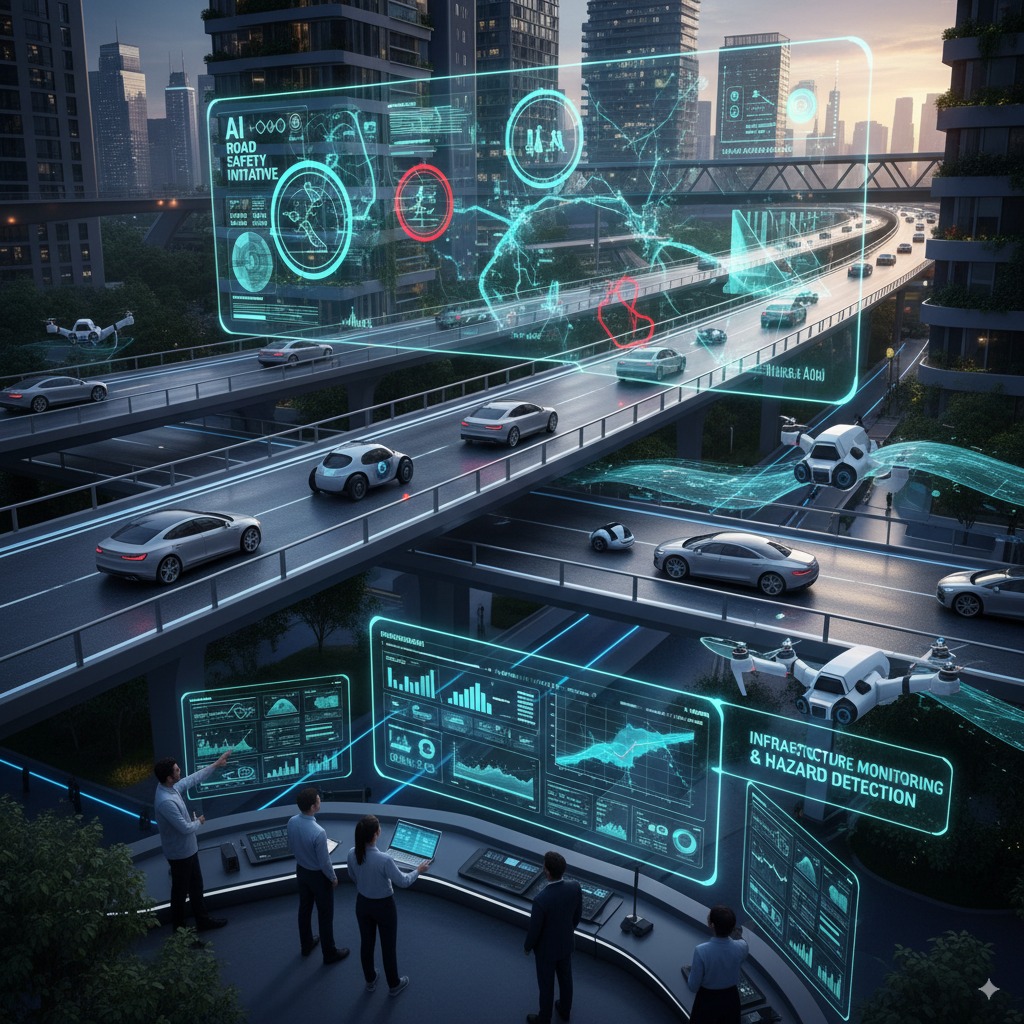
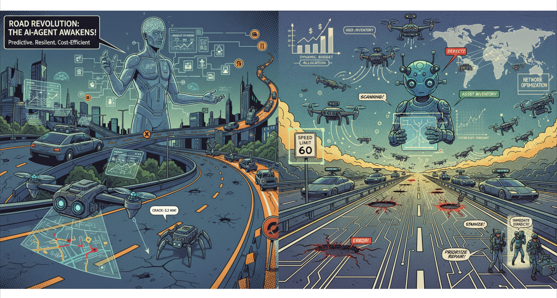
The emergence of AI and Computer Vision presents a dramatic paradigm transformation, advancing us from reactive repairs toward proactive, predictive maintenance, and from subjective human evaluation to objective, evidence-based analysis.
Comprehensive and Automated Information Collection
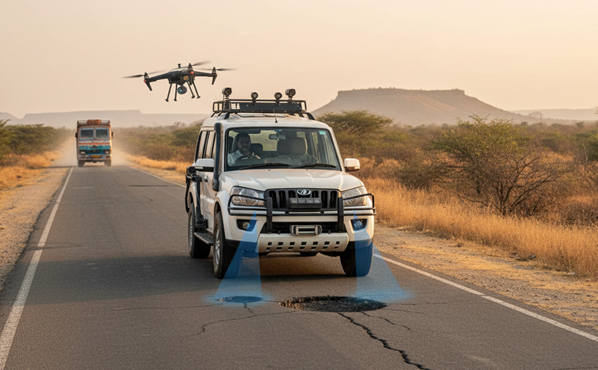
The foundation of this transformation rests in data acquisition. Vehicles, whether specialized inspection fleets, public transportation buses, or municipal service trucks, can feature sophisticated sensor arrays. High-definition cameras, LiDAR (Light Detection and Ranging) scanners, timaging devices, and GPS units continuously gather enormous quantities of detailed information while traveling our highways. This persistent information flow creates a dynamic, comprehensive digital representation of our transportation infrastructure.
Instantaneous, Detailed Defect Recognition with Exceptional Precision
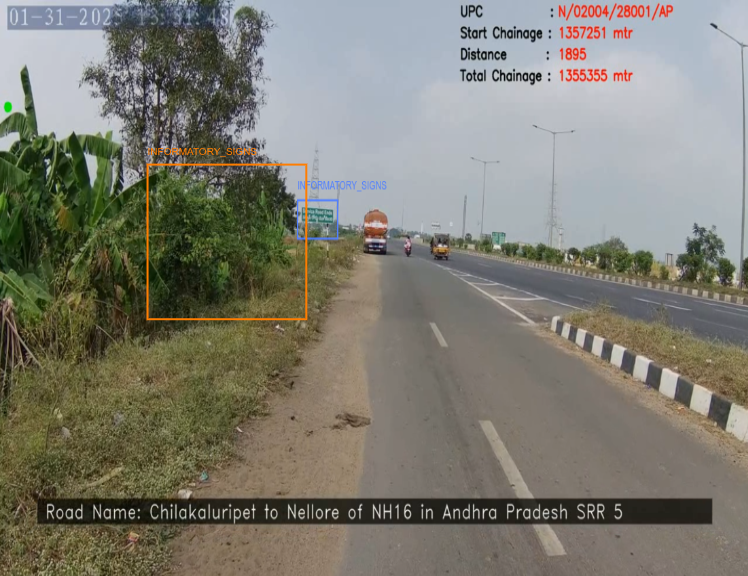
Computer Vision excels in this domain. Utilizing deep learning algorithms trained on extensive and varied datasets of highway imagery, these systems can immediately identify, categorize, and quantify numerous anomalies with outstanding accuracy. They can detect:
• Potholes and Fractures: Beyond mere presence, determining exact measurements, depth, and severity for immediate priority assessment
• Damaged or Absent Highway Signage: Ensuring critical navigation and safety information remains visible and accessible
• Deteriorated or Concealed Lane Markings: A crucial safety concern, particularly during nighttime or challenging weather conditions, potentially causing confusion and collisions
• Highway Debris and Obstacles: From fallen branches to abandoned waste, which may create significant immediate dangers
• Compromised Roadside Infrastructure: Identifying damage to guardrails, barriers, and illumination fixtures that reduce their protective capabilities
• Vegetation Encroachment: Locating areas where excessive growth obscures signs, traffic signals, or sight lines
• Water Accumulation and Drainage Problems: Identifying flood-prone areas, indicating potential drainage system malfunctions
From Responsive to Proactive: The Strength of Predictive Maintenance
AI elevates detection capabilities to forecasting. Through historical data analysis, deterioration pattern identification, and correlation with environmental variables (weather, traffic density), AI models can anticipate when and where specific highway assets will likely degrade or fail. This foresight enables authorities to schedule maintenance before minor surface cracks develop into dangerous potholes, or small structural defects become catastrophic failures. This preventive approach saves lives, time, and dramatically reduces repair expenses.
Enhanced Resource Distribution and Swift Response
With accurate, objective, and real-time information regarding exact location, type, and severity of every identified anomaly, highway maintenance crews can achieve unprecedented efficiency through:
• Strategic Prioritization: Focusing resources on the most critical issues initially, based on safety implications and deterioration potential
• Optimized Operations: Deploying appropriate teams with correct equipment to precise locations, minimizing unnecessary travel and effort
• Accelerated Response: Addressing hazards quickly before they cause accidents or significant disruption
Complete Digital Infrastructure Management Platforms
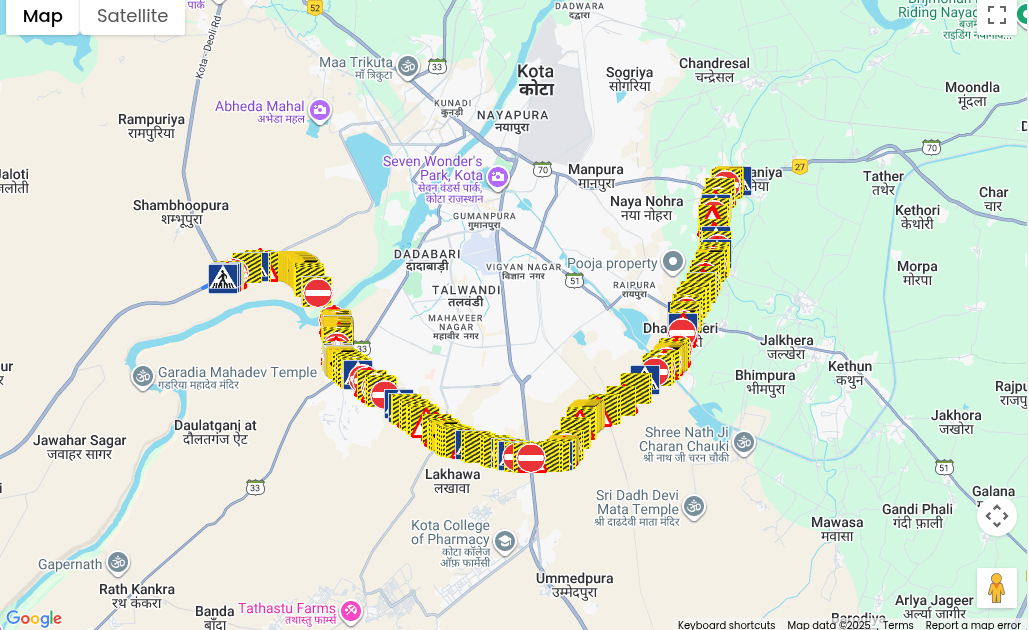
AI and Computer Vision enable comprehensive, dynamic digital cataloging of all highway assets. This encompasses everything from bridge and culvert structural integrity to individual streetlight and storm drain conditions. This "digital twin" of the transportation network provides continuous, updated records of asset performance, maintenance history, and remaining service life, facilitating superior long-term strategic planning and capital investment decisions.
Enabling Evidence-Based Decision Making and Policy Development
Sophisticated analytical platforms powered by AI synthesize collected information into actionable intelligence. Highway managers access intuitive dashboards offering comprehensive, real-time network health perspectives. They can identify emerging deterioration trends, highlight high-risk zones, measure maintenance strategy effectiveness, and make informed, data-supported policy decisions regarding future infrastructure investments and safety programs. This shifts decision-making from speculation toward evidence-based strategies.
The Path Forward: Building a Safer, Smarter, and More Resilient Future
The Path Forward: Building a Safer, Smarter, and More Resilient Future

Integrating AI and Computer Vision into highway asset and anomaly management represents more than incremental progress; it constitutes fundamental transformation. Its influence extends beyond operational efficiency, deeply integrating with the core mission of enhancing public safety. Through proactive hazard identification and swift resolution, we can fundamentally:
Dramatically Reduce Accidents and Fatalities
Eliminating unexpected obstacles, providing clear guidance, and maintaining optimal highway conditions directly translates to fewer collisions, injuries, and tragic deaths.
Enhance Traffic Flow and Minimize Congestion
Well-maintained highways prevent bottlenecks caused by sudden maneuvering around potholes or unexpected lane closures for emergency repairs, creating smoother and more predictable journeys.
Extend Infrastructure Lifespan and Durability
Timely, predictive repairs prevent minor defects from escalating into expensive, large-scale structural failures, protecting investments in critical infrastructure.
Substantially Lower Operational and Maintenance Expenses
Proactive, scheduled maintenance proves inherently more cost-effective than reactive emergency repairs, which typically require extensive resources and cause greater disruption.
Foster Enhanced Public Trust and Confidence
Drivers and highway users can experience heightened security, knowing their routes remain under constant, intelligent monitoring and careful maintenance, creating more pleasant and stress-free travel experiences.
Conclusion
The future of transportation safety is undoubtedly intelligent, connected, and predictive. Through fully embracing AI and Computer Vision capabilities, we transcend mere highway maintenance; we actively engineer more resilient, efficient, and critically, profoundly safer transportation networks for current and future generations. The journey toward a world where every mile receives monitoring, every hazard gets identified, and every traveler enjoys protection has genuinely commenced.