
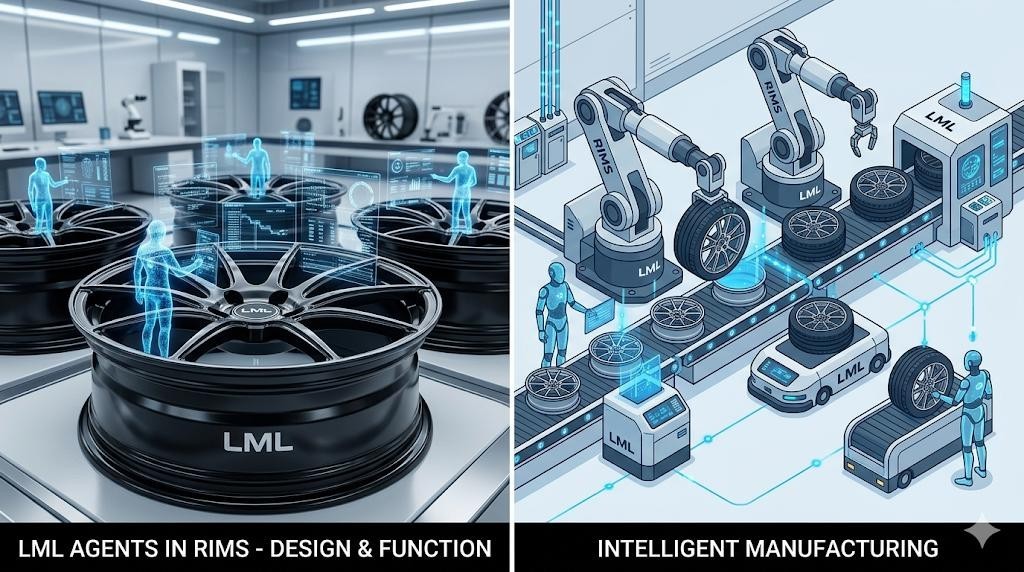
Insight
LLM Agents in RMIS Platform: Enhancing Road Management Information Systems
Published on April 25, 2026
Road Management Information Systems (RMIS) play a critical role in maintaining and managing road infrastructure. They act as centralized platforms where data related to road conditions, traffic, and maintenance is collected and analyzed. However, as road networks expand and data volumes increase, traditional RMIS platforms often struggle to deliver fast insights and support real-time decision-making. This is where LLM (Large Language Model) agents bring a significant improvement, making RMIS systems smarter, faster, and more interactive.
LLM Agents in RMIS: Smarter Analysis and Automation
LLM agents are advanced AI systems capable of understanding and processing data in a human-like way. In RMIS platforms, they can automatically analyze data collected from sources such as mobile survey apps, sensors, and field inspections. These agents can detect patterns, identify road damage, and highlight critical areas that need attention. They also simplify report generation by converting raw data into structured, easy-to-understand reports, reducing manual effort and errors. Additionally, LLM agents assist in maintenance planning by evaluating past data, traffic conditions, and budget constraints to recommend efficient repair strategies. This allows authorities to make faster and more informed decisions.
Natural Interaction and Future Impact
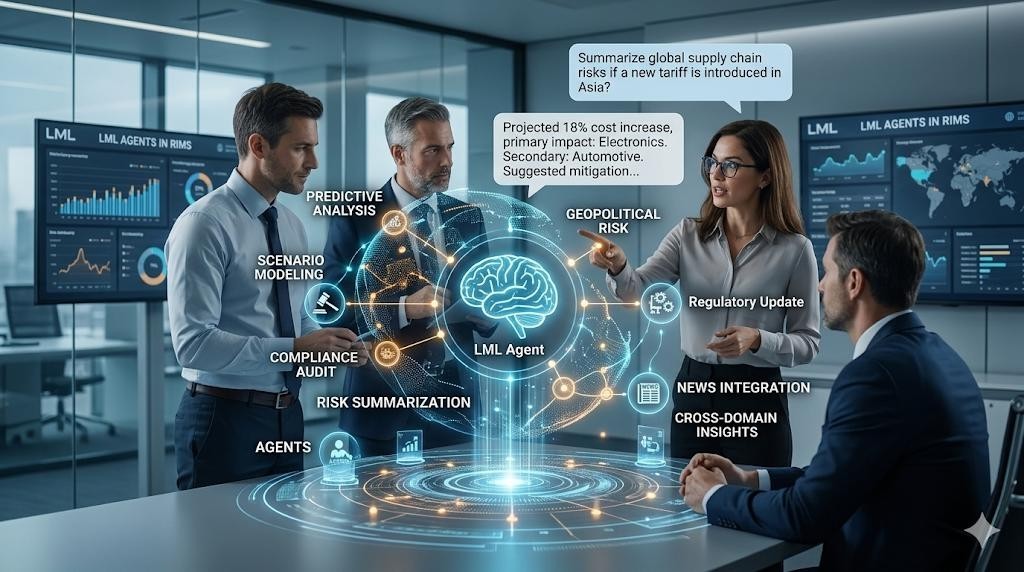
One of the biggest advantages of LLM agents is their ability to enable natural language interaction. Users can simply ask questions like road conditions or pending repairs, and the system provides instant, relevant responses. This removes the need for technical expertise and makes RMIS platforms more accessible to a wider range of users. LLM agents can also integrate with mobile survey applications, processing real-time field data and updating the system with actionable insights. As this technology evolves, it will transform RMIS into more intelligent and responsive systems, improving efficiency, decision-making, and overall road infrastructure management.