Insight
Large Language Models
Published on December 29, 2025
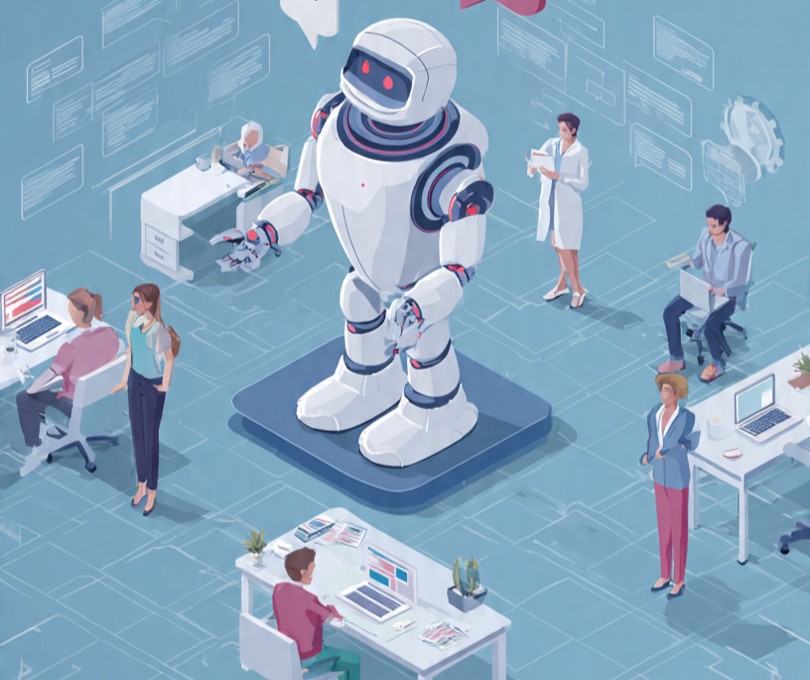
Large Language Models (LLMs) are one of today’s most powerful AI innovations. Trained on massive collections of books, articles, and online text, they learn patterns in language—how words connect, how ideas flow, and how people communicate. Using transformer-based deep learning, LLMs generate text that feels natural, coherent, and surprisingly human-like. Their capabilities are wide-ranging: they can write stories or emails, summarize long documents, explain concepts, translate languages, answer questions, and even generate or debug code. Essentially, they function like highly trained digital assistants. Chatbots are the practical applications built on top of these models. Early chatbots were limited, responding only to specific commands or keywords. Today’s LLM-powered chatbots are dramatically more advanced. They understand context, handle open-ended questions, maintain smooth conversations, and adapt to a user’s style—making interactions feel more intuitive and helpful.
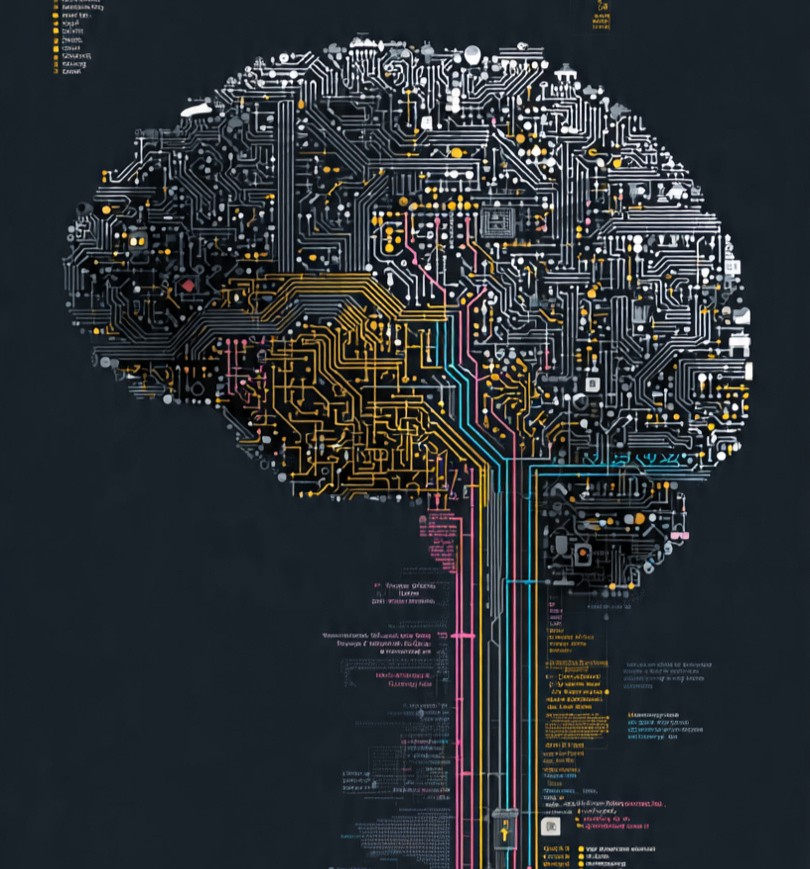
There are three main types of chatbots: rule-based systems, AI-driven intent models, and modern LLM-powered conversational agents. The last category offers the richest experience, combining natural dialogue with flexible problem-solving.
LLM-powered chatbots are transforming industries. Businesses use them for 24/7 customer support, educators use them as personalized tutors, healthcare providers use them for guidance and scheduling, and creators rely on them for brainstorming and content generation.
Like all technologies, they have limits—they can produce incorrect answers, lack true understanding, and must be used carefully with sensitive data. But as models improve, we can expect better reasoning, greater reliability, and deeper multimodal abilities combining text, images, and audio.
LLMs aren’t just tools—they’re shaping the future of human–machine communication.
👋 Hi! I'm Hanu AI
Hanu AI Beta v2.0
Your AI assistant