Insight
AI-Driven Waste Detection Along Roadways and Geofencing for Fleet Management
Published on January 05, 2026
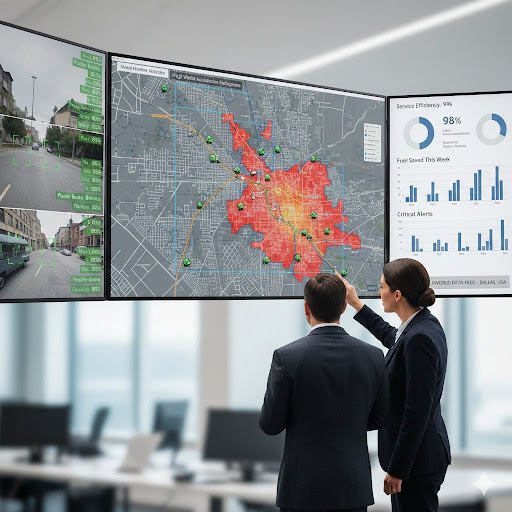
With rapid urbanization and increasing traffic, managing road cleanliness and vehicle movement has become a major challenge. Modern technology, especially Artificial Intelligence (AI), is now playing an important role in solving these problems. Two powerful solutions are AI-driven waste detection along roadways and geofencing for fleet management. AI-driven waste detection uses cameras, sensors, and machine learning algorithms to automatically identify waste on roads, highways, and public areas. These cameras can be installed on streetlights, poles, or even on moving vehicles. The AI system analyzes real-time images and videos to detect garbage such as plastic waste, construction debris, or illegal dumping.
Once waste is detected, the system sends alerts to the concerned municipal teams with the exact location. This helps authorities take quick action instead of relying on manual inspections. As a result, roads stay cleaner, response time improves, and human effort is reduced. AI can also classify waste types, helping in better recycling and disposal planning. Overall, this technology supports cleaner cities and a healthier environment.
Geofencing for Fleet Management
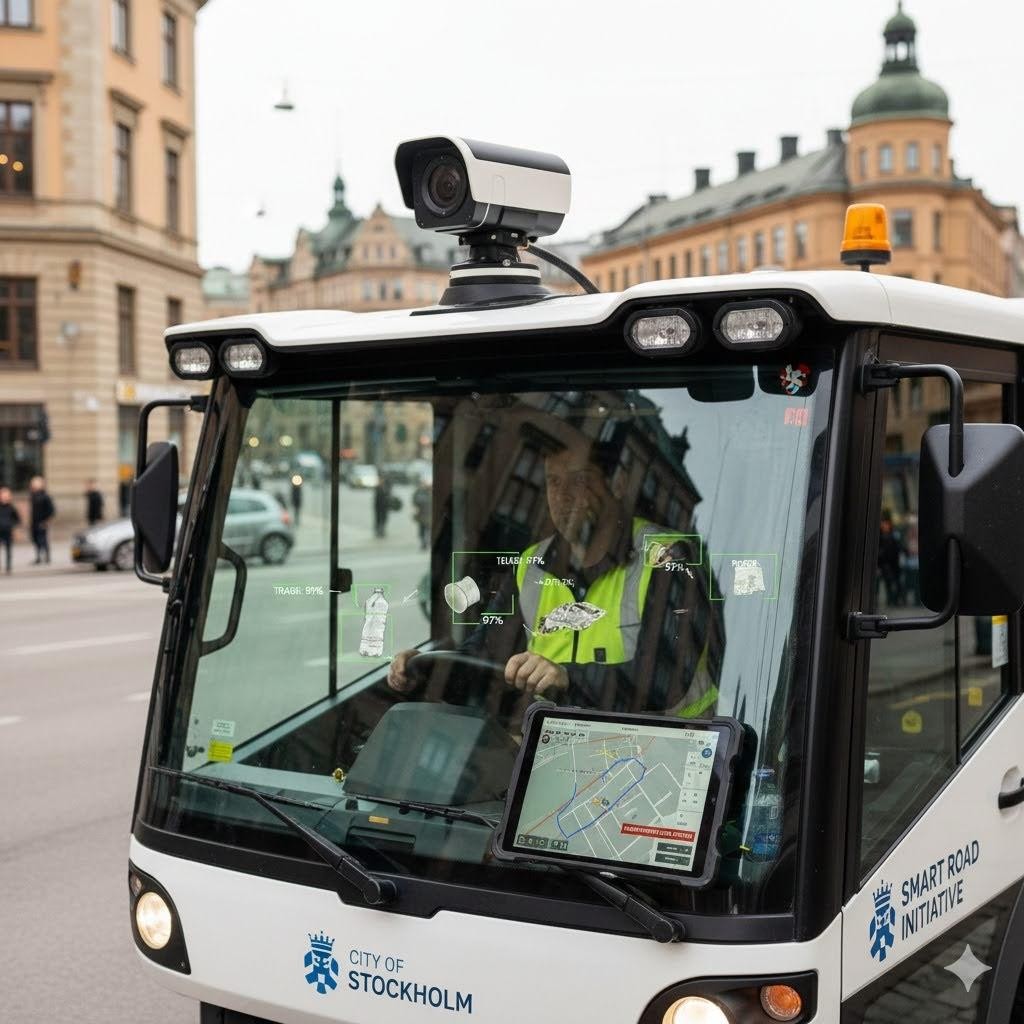
Geofencing is a location-based technology that creates a virtual boundary around a specific area using GPS. In fleet management, geofencing helps monitor and control the movement of vehicles such as garbage collection trucks, maintenance vans, and transport fleets.
When a vehicle enters or exits a predefined area, the system automatically sends notifications. This ensures that vehicles follow assigned routes, avoid restricted zones, and reach destinations on time. Geofencing also helps prevent misuse of vehicles, reduces fuel consumption, and improves driver accountability.
Combining Both Technologies
When AI-driven waste detection is combined with geofencing, the results are even more effective. For example, once AI detects waste on a road, the nearest waste collection vehicle within the geofenced area can be automatically assigned the task. This smart coordination saves time, reduces operational costs, and improves service efficiency.
👋 Hi! I'm Hanu AI

Hanu AI Beta v2.0
Your AI assistant